
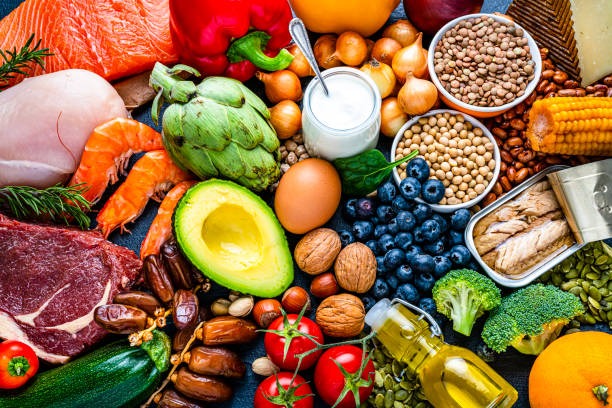
A balanced dinner plate is essential for supporting a healthy metabolism, which plays a crucial role in converting food into energy and maintaining overall bodily functions. Metabolic health depends significantly on the quality and variety of nutrients consumed during meals. A well-composed dinner should include an appropriate combination of macronutrients-proteins, carbohydrates, and fats-as well as micronutrients like vitamins and minerals to optimize metabolic processes.
Protein is a fundamental component for metabolic support because it promotes muscle repair and growth while increasing the thermic effect of food, meaning the body uses more energy to digest protein compared to fats or carbohydrates. Including lean sources such as chicken breast, fish, tofu, or legumes can help maintain muscle mass and stabilize blood sugar levels throughout the night. Proteins also contribute to satiety, reducing overeating at subsequent meals.
Carbohydrates are another vital element but should be chosen wisely to avoid rapid spikes in blood sugar that can disrupt metabolic balance. Complex carbohydrates found in whole grains like quinoa, brown rice, or barley provide sustained energy release due to their high fiber content. Fiber slows digestion and supports gut health by feeding beneficial bacteria that influence metabolism positively. Vegetables also supply complex carbs along with antioxidants that reduce best thca flower inflammation-a factor known to impair metabolic function.
Healthy fats are necessary for hormone production and cell membrane integrity; they also assist in absorbing fat-soluble vitamins such as A, D, E, and K. Sources rich in monounsaturated and polyunsaturated fats include avocados, nuts, seeds, olive oil, and fatty fish like salmon. These fats have been shown to improve insulin sensitivity-a key aspect of efficient metabolism-and support cardiovascular health.
Incorporating colorful vegetables ensures an array of phytochemicals that combat oxidative stress linked with metabolic disorders. Leafy greens like spinach or kale provide magnesium which plays a role in glucose regulation while cruciferous vegetables offer sulfur compounds beneficial for detoxification pathways.
Hydration complements nutrient intake since water participates directly in enzymatic reactions involved in metabolism. Drinking sufficient water during dinner aids digestion and helps maintain optimal cellular function overnight.
Balancing portion sizes is equally important; oversized meals can overwhelm digestive capacity leading to sluggish metabolism whereas very small portions may fail to meet nutritional needs causing fatigue or muscle loss.
Ultimately, designing a dinner plate with moderate portions of lean protein alongside complex carbohydrates rich in fiber paired with healthy fats creates an ideal environment for supporting metabolic health efficiently each evening. This approach fosters stable energy levels while promoting long-term wellness through nutrient diversity tailored toward sustaining optimal metabolic function over time.